The Art of Fly Tying for Coastal Fishing
Master fly tying for coastal fishing with our expert tips on precision tools and techniques,
plus how sunglasses enhance visual clarity on the water.

Mastering the Art of Fly Tying for Coastal Fishing
Fly tying is a rewarding skill essential for successful coastal fishing. It involves creating artificial flies that mimic the appearance of fish prey, enticing fish to strike. This requires an understanding of aquatic life and fish behavior, making fly tying both an art and a science.
Coastal anglers who master this skill can level up their fishing game by crafting custom flies suited to various coastal conditions and species.
Precision tools are vital for fly tying — and that means more than just your fishing gear. Having the right eyewear is key to getting the job done right.
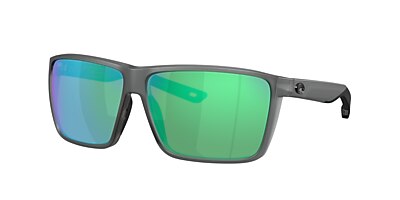
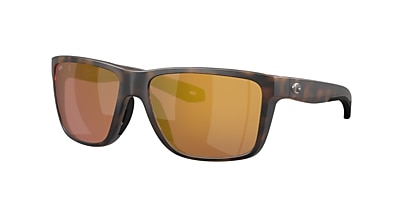
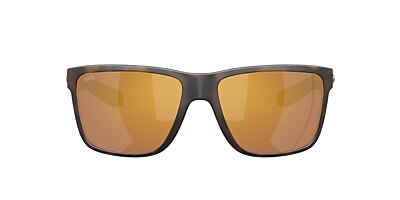
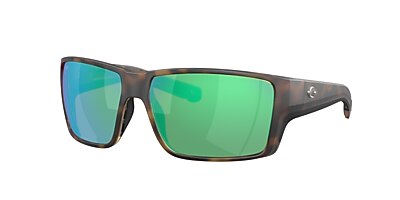
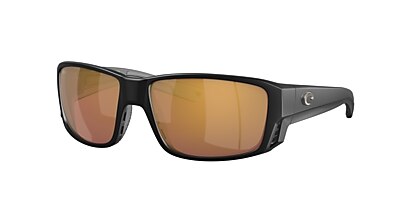
Costa sunglasses are particularly beneficial. They're built to reduce glare and improve visibility in bright conditions, allowing anglers to detect movement and changes in the water more clearly. This enhanced clarity is crucial for selecting the right materials and colors for fly tying, ensuring the flies are as realistic and effective as possible.
By combining skilled fly tying with gear from Costa, a coastal fishing trip can become an engaging and successful adventure, blending the art of deception with the thrill of the catch.
Explore our lineup of polarized sunglasses and apparel to enhance your fly fishing expedition.
Essential Tools and Materials for Fly Tying
Fly tying requires skill and the appropriate tools. Whether you're experienced or new to the craft, having the right equipment can help you create effective flies for coastal fishing. Here’s a list of essential items every fly tyer should have:
Hooks
Hooks are fundamental to any fly. They vary in size and shape to accommodate different types of flies and fishing conditions. For coastal fishing, opt for hooks that resist saltwater corrosion. Stainless steel or coated hooks are excellent for their durability and strength, which are essential for catching larger fish.
Threads
Threads attach materials to the hook and form the fly's body. They come in various thicknesses and colors, allowing for customized designs. A good thread should be strong yet flexible enough to allow tight wraps without breaking. Nylon and polyester threads are known for their flexibility and ease of use.
Bobbins
A bobbin holds the thread spool and helps manage the thread on the hook, ensuring even tension, which is crucial for neat and durable flies. Select bobbins with ceramic tips to prevent thread fraying.
Scissors
Scissors are essential for trimming materials and threads. They should be sharp and easy to handle to ensure clean cuts. Small, fine-tipped scissors are ideal for detailed work, while larger ones are suitable for cutting bulkier materials.
Whip Finishers
A whip finisher is used to tie off the thread at the fly's end, securing all materials. This tool helps create a professional finish and prevents unraveling. Mastering the whip finish technique is essential for any fly tyer.
Bodkins
Bodkins are needle-like tools for applying glue or varnish, separating fibers and cleaning up loose ends. They are indispensable for final touches and ensuring fly durability.
Additional Materials
Various materials are used to create the fly's body, wings and tails. These include feathers, fur, synthetic fibers and beads. Each material offers distinct features like buoyancy, movement or color to mimic natural prey and attract fish.
Having the right tools and materials is crucial for successful fly tying. Equipped with these items, you’ll be ready to craft visually appealing and effective flies for coastal fishing.
Step-by-Step Guide to Tying Flies
Tying flies for coastal fishing is an art and science requiring patience, precision and a solid understanding of the aquatic environment. Start by gathering your tools, which include:
- A sturdy vise to hold the hook
- A bobbin for the thread
- A selection of hooks, feathers and synthetic fibers that resemble local fish and crustaceans.
Once you have your tools in place, take the following steps:
1. Secure the hook in the vise.
2. Attach the thread to the hook with tight wraps to create a strong base.
3. Add layers, such as bucktail or marabou, to imitate the appearance and movement of prey. Each piece should be tied carefully to remain secure yet move naturally in the water.
4. Ensure the fly is balanced and streamlined to closely resemble the target fish.
5. Finish by forming a neat head with the thread and securing it with a whip finish knot. Add a drop of head cement for added durability.
With practice, each fly becomes a one-of-a-kind lure, ideal for attracting fish in coastal waters.
Mastering Knot Techniques for Coastal Fishing
Learning to tie fishing knots is crucial for any angler along the coast. The ever-changing conditions demand knots that are both strong and dependable.
Among the many options, the improved clinch knot is a preferred choice for attaching hooks, lures and swivels to the line. Its strength and ease of tying make it a reliable option for securing big, strong fish.
To tie the improved clinch knot, insert the line through the hook's eye, wrap it around the standing line several times and pass the end through the loop near the hook. This forms a strong connection that reduces the risk of losing a fish.
Coastal anglers also frequently use the Palomar knot, which is ideal for braided lines, and the loop knot, which allows lures to move naturally.
Each knot has a specific purpose, and mastering these techniques can enhance the fishing experience. Practicing these knots creates a seamless fishing experience, bringing you closer to your next big catch.
The Role of Costa Sunglasses in Fly Tying
Good visibility is critical for fly tying, especially when working with small hooks and delicate materials. Even small mistakes can affect how well a fly mimics real prey. Costa sunglasses can assist by enhancing visual clarity and accuracy, helping ensure every tie is accurate.
Costa’s high-quality polarized lenses reduce glare, making it easier to see thread placements and feather alignments clearly. This feature is particularly beneficial in bright environments or near water, where glare from reflective surfaces can obscure small details.
Costa lenses also enhance color contrast, helping you distinguish between materials and colors. This is essential for crafting realistic patterns that deceive fish. Improved visibility and accuracy lead to successful fishing, as well-tied flies attract more fish.
Additionally, Costa sunglasses absorb 100% of ultraviolet (UV) light, letting you focus on your craft while maximizing your UV eye protection.
Together, these features make Costa sunglasses an invaluable tool for anyone involved in fly fishing.
Tales from the Water: Fly Tying Adventures
In coastal fishing, fly tying is more than just a skill — it's a tradition passed down through generations.
Take the story of a seasoned fisherman from Maine, renowned for his fly designs that imitate local baitfish. His most celebrated fly was conceived after a challenging day of fishing. When the usual lures proved ineffective, he spent the evening crafting a new fly, using his extensive knowledge of local fish and the art of mimicry. The following morning, he returned to the water and experienced one of his most successful catches to date.
Stories like these are common among expert fly tiers. They speak of their flies as artists discuss their masterpieces. Each fly reflects their patience, creativity and deep understanding of the sea. These stories transform fly tying into a living tradition, linking anglers of the past and present in their pursuit of the perfect catch.
Embrace the Coastal Fishing Experience
Coastal fishing immerses you in nature, where you can feel the tides and the salty breeze. Part of the adventure involves learning to tie flies, representing your understanding of local fish and their habits.
Fishing coastal habitats is no easy game. And knowing your species — such as the striped bass and bluefish — is vital. As you cast your line, watch your fly mimic the baitfish in the shallows. It's a moment where skill meets patience, and hooking a fish is as rewarding as the view.
Whether you're experienced or just beginning, coastal fishing is about embracing nature, mastering the art of fly tying and enjoying every minute of the journey. Costa is here for all your fishing adventures.


RELATED ARTICLES
Master Saltwater Fishing: Tips for Every Angler
Choosing the Best Kayak Fishing Sunglasses for 2026
Mastering Fly Tying: Coastal Fishing Techniques for Precision and Success

Costa Films - Hooked On: Bonefish
Unveiling Bonefish: Watch Now!
Costa Films: Hometown

Introducing the new Hybrid Collection
Frames for absolutely everything.
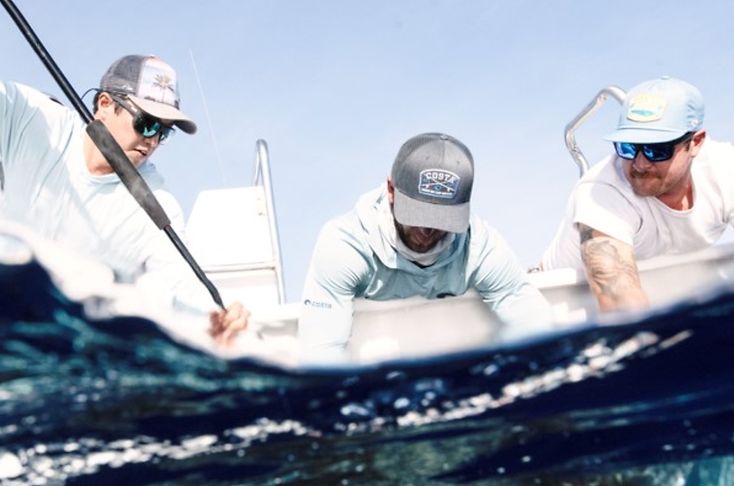
Marlin Fly Project
Community x Conservation
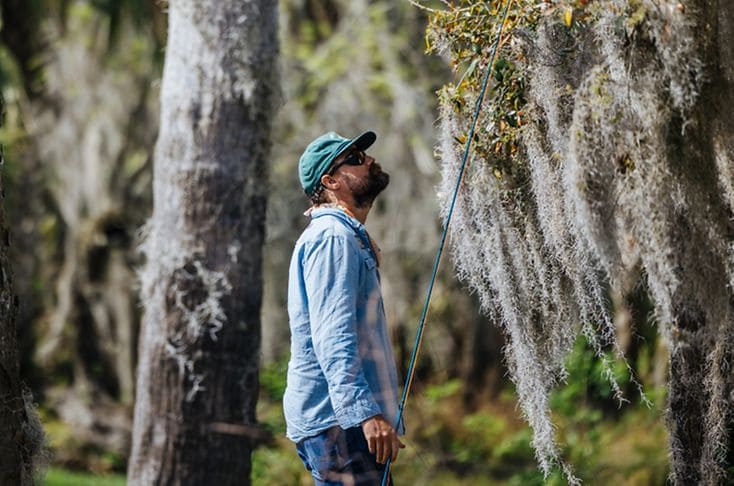
A Legend Remastered

Costa Films - Hooked On: Sailfish
Unveiling Sailfish: Watch Now!
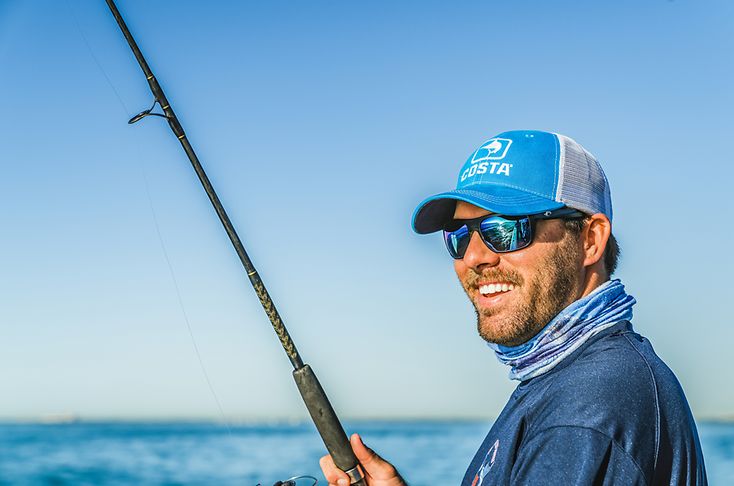
Stay Safe Offshore: Essential Fishing Safety Tips and Gear
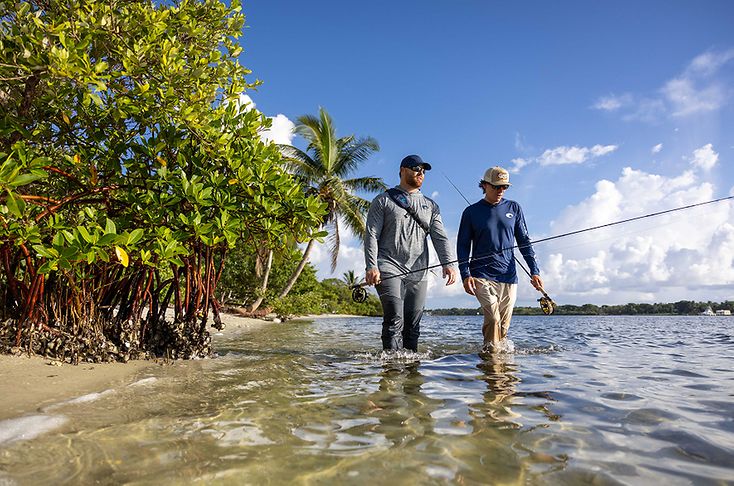
Surf Fishing: Gear and Techniques for Beginners
See the Deeper Calling: Kimi Werner's Connection to the Ocean | Costa Del Mar
Costa, Viking Yachts & The Billfish Foundation: 40 for 40
Top Lakes for Bass Fishing: Your Ultimate Guide
Passing the Torch: A New Generation of Costa Anglers
Bound by Blue Costa Sunglasses and The World Ocean Day Foundation
Brandon Cyr: Life on the Flats – Guiding with Grit in Key West’s Shallow Waters
Turning Ghost Nets into Gear | The New Costa Untangled Frames

Voyages of Agapé: Sailing for Something Greater
Ben Thouard: Capturing the Soul of Teahupo’o
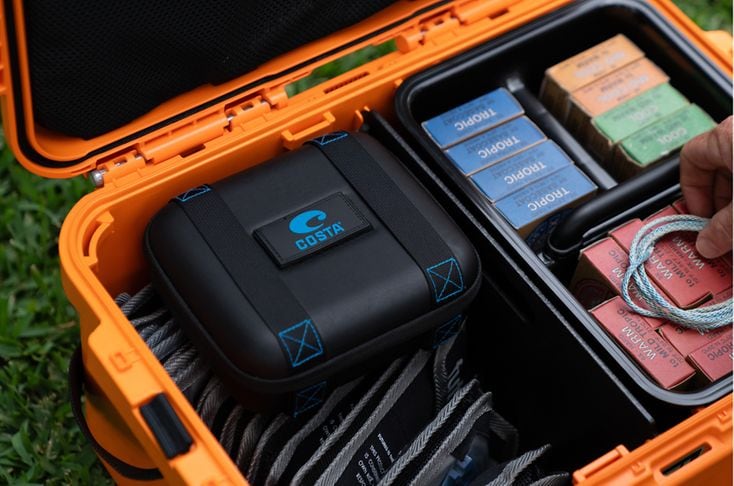
Caring for Your Costa Sunglasses: Maintenance Tips for Longevity

Best Fishing Gifts for Your Favorite Angler for the 2024 Holidays
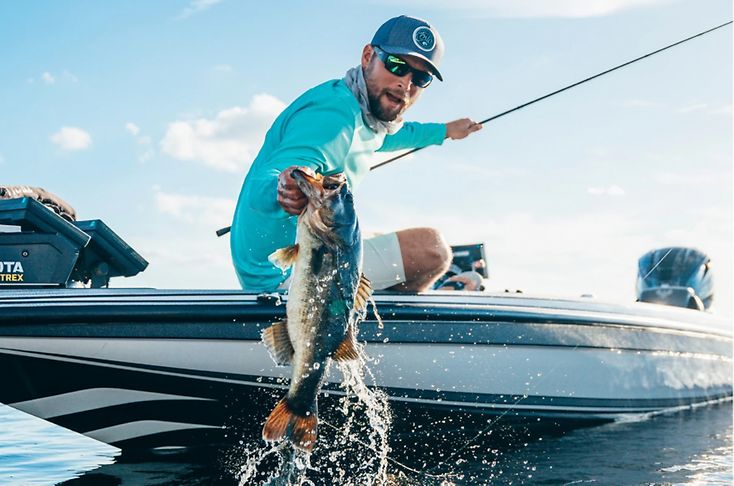
Tips for Choosing the Best Sunglasses for Freshwater Fishing
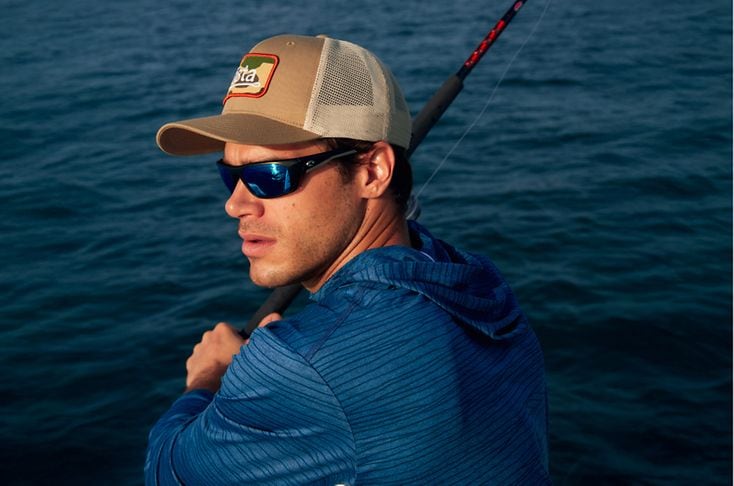
Durability Tested: Costa Sunglasses Built for Extreme Adventures
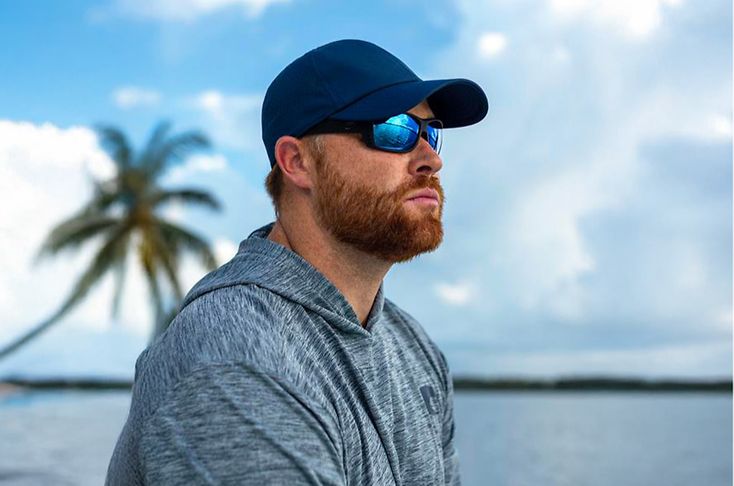
Visible Light Transmission (VLT) in Sunglasses
Accessorize with Costa: Performance Gear Beyond Sunglasses
Best Holiday Gifts for Water Sports Enthusiasts in 2024

Eco Series: Costa Del Mar's Journey Towards Sustainable Sunglasses

Personalize Your View: Costa's Sunglasses Customization Options

The Future of Sunglasses: Costa's Leading Innovations & Trends

Costa's Best Boating Sunglasses: Precision Lenses for Open Waters

A Comprehensive Guide to Sunglasses for All Outdoor Activities
Top 5 Water Sports Activities Enhanced with Costa Sunglasses
The Importance of Quality Sunglasses in Every Adventure
Finding the Perfect Sunglasses for your Water Adventures

Saltwater vs. Freshwater Fishing: Gear, Techniques & Sunglasses

Can I Use My FSA or HSA for Costa Prescription Glasses?

UV Protection During Outdoor Adventures: Why It’s Essential